Frequently Asked Questions

Find answers to common questions about workshop setup, ventilation systems, electrical installations, and tool storage solutions.

The ideal ventilation depends on your workshop activities. For general woodworking, a combination of natural ventilation with exhaust fans (minimum 400-600 CFM) works well. If you work with paints, solvents, or welding, install a dedicated exhaust system with filtration. Key components include:
  • Ceiling-mounted exhaust fan positioned opposite the air intake
  • Dust collection system with HEPA filtration for woodworking
  • Window fans for cross-ventilation in mild weather
  • Air quality monitor to track particulate levels
Position exhaust points near dust-generating equipment. Ensure makeup air enters from clean areas to create proper airflow patterns.

Plan for one outlet every 1.2-1.5 meters along workbench areas. A typical 4x6 meter workshop should have 8-12 outlets minimum. Install outlets at multiple heights: bench level (90-100cm), floor level for stationary tools, and ceiling outlets for drop cords. Use 20-amp circuits for power tools - never overload a single circuit. Include dedicated circuits for high-draw equipment like table saws (requires 240V) or air compressors. GFCI protection is essential in workshops due to dust and potential moisture. Consider adding USB charging ports for cordless tool batteries and work lights.

Pegboard systems offer maximum flexibility and visibility. Mount pegboards 15-20cm from the wall to allow hook insertion. Organize by tool type and frequency of use - keep daily tools at arm's reach (60-150cm height). Use shadow boards with tool outlines to maintain organization. Magnetic strips work excellently for metal tools like wrenches and screwdrivers. Drawer organizers with foam cutouts prevent tool movement and damage. Label everything clearly. For small items like drill bits and fasteners, use transparent stackable containers with labels. Group tools by project type rather than just by category for faster workflow.

Combine both approaches. Stationary storage (wall cabinets, fixed shelving) works for rarely-moved items and maximizes floor space. Use it for reference materials, seasonal tools, and bulk supplies. Mobile storage (rolling cabinets, tool carts) provides flexibility for frequently-used items and allows workspace reconfiguration. Rolling cabinets with locking casters let you move tools to the work area, then secure them in place. This is particularly useful for small workshops where space serves multiple purposes. Store power tools on mobile bases to easily relocate them when needed. Heavy stationary equipment stays fixed, but accessories should be mobile.

Install a central dust collection system with 4-inch ducting connecting to major tools. Supplement with shop vacuums for hand tools and cleanup. Use dust deputy cyclone separators to extend filter life. Seal concrete floors with epoxy coating - unsealed concrete generates dust. Create an air filtration system with ceiling-mounted air cleaners running continuously during work and 30 minutes after. Maintain negative air pressure by exhausting more air than you bring in. Clean filters weekly and empty collection bins before they're half full. Store lumber and materials off the floor on racks. Designate a clean assembly area separate from cutting zones.

Layer your lighting with three levels. Ambient lighting: LED shop lights (4000-5000K color temperature) spaced every 1.2 meters provide overall illumination - aim for 500-750 lux. Task lighting: Adjustable LED lamps at workbenches and machinery (minimum 1000 lux for precision work). Accent lighting: Under-cabinet strips illuminate storage areas. Avoid single overhead fixtures that create shadows. Position lights to minimize glare on reflective surfaces. Use daylight-balanced LEDs for accurate color rendering. Install dimmer switches for ambient lights to adjust based on natural light. Emergency lighting on battery backup ensures safe shutdown during power outages.

Complete soundproofing is expensive, but significant reduction is achievable. Install acoustic insulation in walls and ceiling (mineral wool batts, R-13 minimum). Add mass-loaded vinyl barrier behind drywall. Seal all gaps around doors, windows, and electrical boxes with acoustic caulk. Replace hollow doors with solid-core versions and add door sweeps. Use rubber anti-vibration pads under stationary equipment. Build a floating floor with rubber underlayment if possible. Acoustic panels on walls absorb sound reflections. For budget solutions, hang moving blankets on walls during noisy operations. Schedule loud work during acceptable hours (typically 9:00-18:00 weekdays in Sofia).

Essential safety equipment includes:
  • Fire extinguisher (ABC-rated, minimum 2kg) mounted near exit
  • First aid kit with burn gel, bandages, eye wash solution
  • Safety glasses and hearing protection for every user
  • Dust masks (N95 minimum) or respirator for fine particles
  • Emergency shut-off switch accessible from multiple locations
  • Smoke and carbon monoxide detectors with battery backup
  • Adequate lighting for safe operation
  • Non-slip flooring or anti-fatigue mats
Post emergency numbers visibly. Keep pathways clear. Never bypass safety guards on equipment. Inspect tools before each use.

Winter heating: Electric infrared heaters provide instant warmth without blowing dust. Position away from flammable materials. Insulate walls and ceiling (R-19 minimum). Seal air leaks around doors and windows. Summer cooling: Exhaust fans create airflow - install at highest point to remove hot air. Evaporative coolers work well in dry climates. Insulation helps year-round. Paint roof white to reflect heat. Schedule heavy work during cooler morning hours. Portable fans improve air circulation. Avoid air conditioning if possible due to dust concerns, but if necessary, use workshop-grade units with washable filters. Maintain 15-25°C for comfortable work and tool performance.

Standard workbench height is 85-95cm, but customize to your height. When standing with arms relaxed, the bench should be 5-10cm below your elbow. For precision work, go slightly higher; for heavy assembly, slightly lower. Depth should be 60-75cm - deep enough for projects but allowing you to reach the back without strain. Include a lower shelf (30cm from floor) for storage and tool placement. Build with sturdy construction - minimum 4cm thick top, reinforced frame supporting 200kg. Add a tool tray or pegboard at the back edge. Consider adjustable-height workbenches if multiple users. Include vise mounting points and dog holes for clamping flexibility.

About Urbanhomenavigator

Workshop setup specialists in София
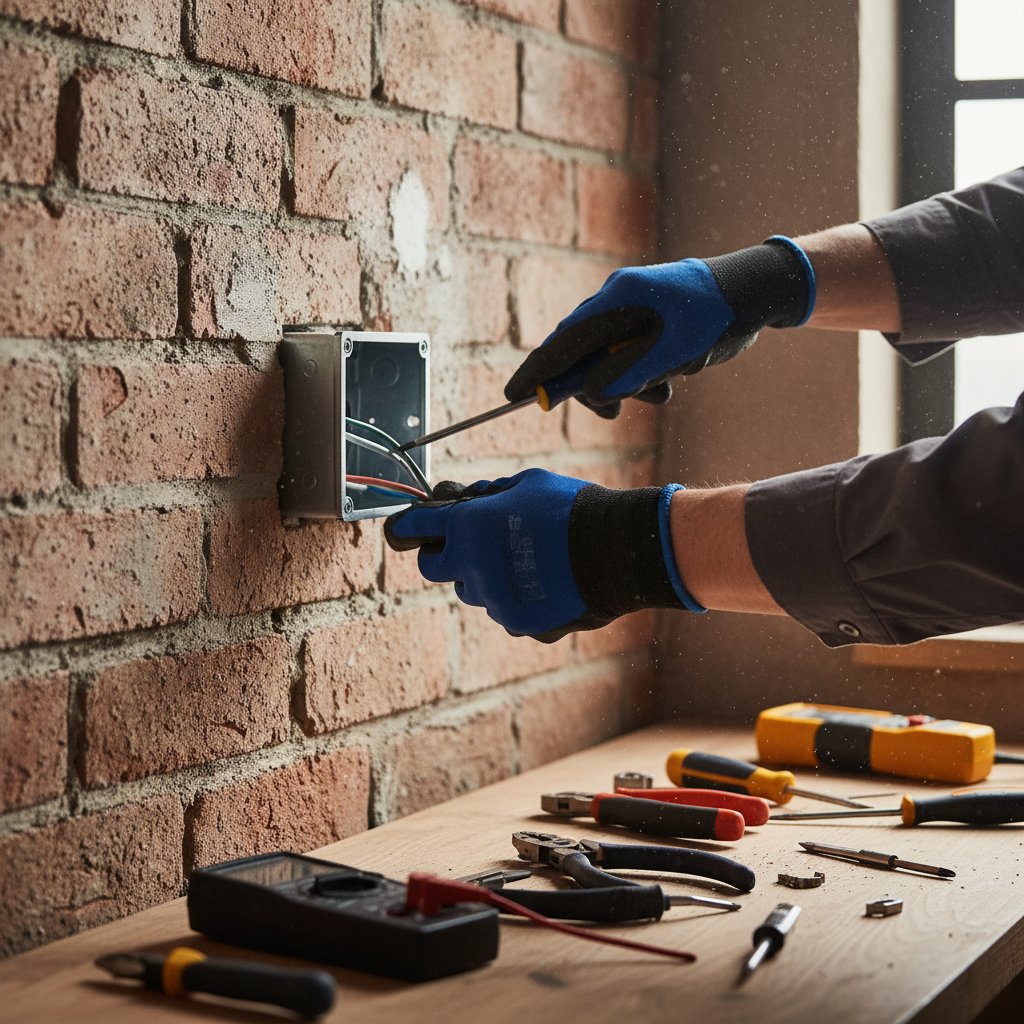
Workshop setup team

Our Story

Founded in 2015, Urbanhomenavigator started when three engineers in София realized home workshops needed better planning.

We saw DIY enthusiasts struggling with poor ventilation, inadequate electrical systems, and chaotic tool storage. Our first project was a 15m² garage transformation in Оборище district.

Today, we've completed over 300 workshop setups across Bulgaria. Each project taught us something new about airflow patterns, power distribution, and ergonomic storage solutions.

What Drives Us

We design functional workspaces. No magic transformations - just proper ventilation calculations, correct electrical installations, and practical storage systems.

Our team includes 2 electrical engineers, 1 HVAC specialist, and 3 carpentry experts. Combined experience: 47 years in workshop design.

We measure air exchange rates, calculate power loads, and plan tool accessibility. Every recommendation is based on building codes and safety standards.
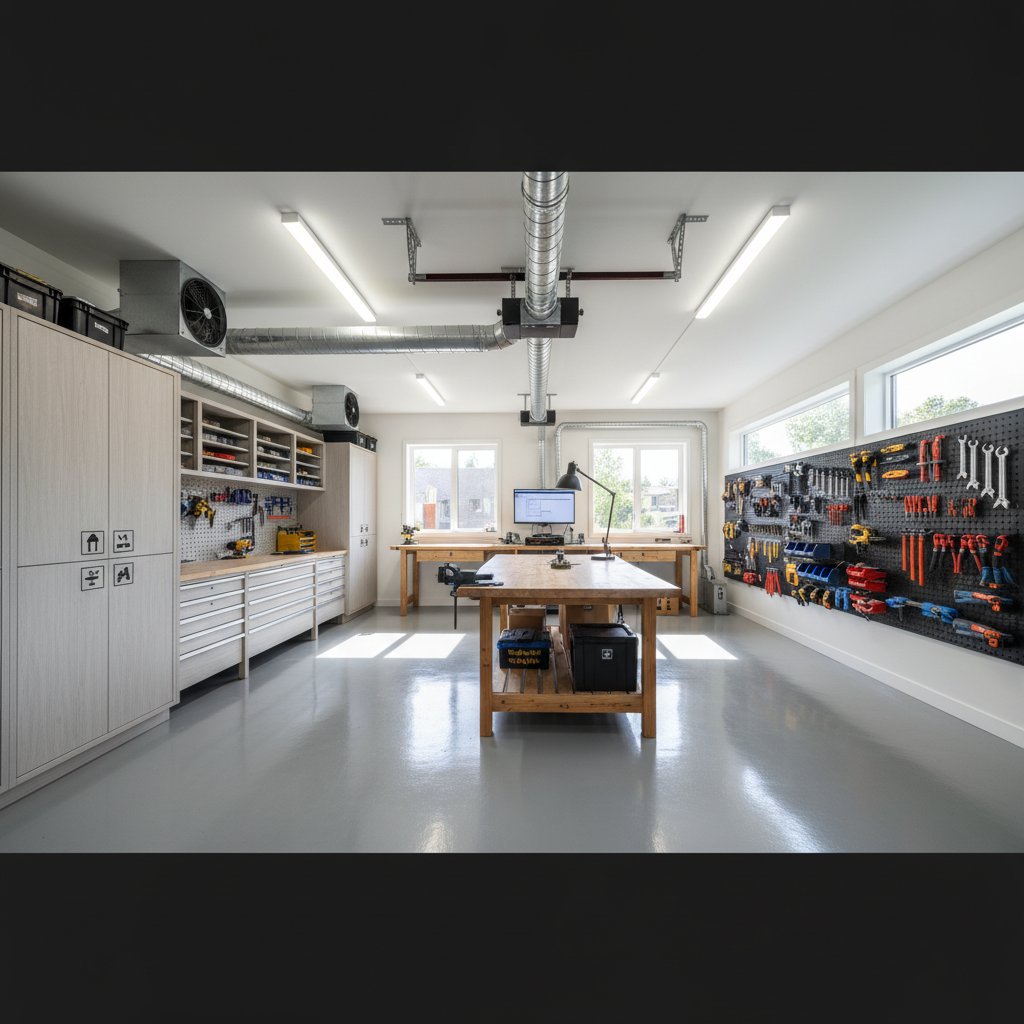
Workshop ventilation system

Safety First

All electrical work meets BDS EN 60204-1 standards. Ventilation systems comply with Bulgarian building regulations for workshop spaces.

Practical Solutions

We recommend tools and materials available in София. No exotic imports - everything sourced locally from verified suppliers.

Clear Communication

You receive detailed plans with measurements, material lists, and installation sequences. No guesswork involved.

Real Experience

Our team has installed 450+ power outlets, 280 ventilation systems, and built 1,200+ meters of custom storage in actual workshops.

300+ Workshops Completed
8 Years in Business
47 Combined Years Experience
98% Client Satisfaction